
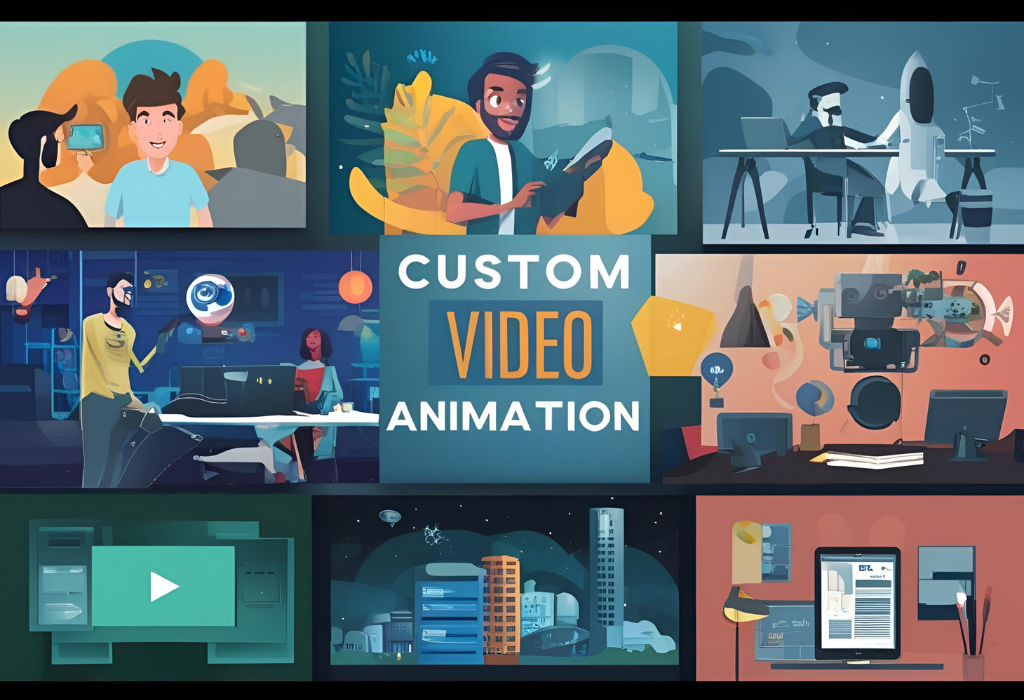
We specialize in developing custom Video & Animation eLearning courses.
Brookwood uses video and animation to create dynamic, engaging eLearning experiences that simplify complex topics and boost learner retention. Through storytelling, visual demonstrations, and motion graphics, we bring content to life and appeal to diverse learning styles. Videos and animations enhance understanding, improve knowledge transfer, and keep learners motivated. This approach is ideal for onboarding, compliance, and skills training—making learning more accessible, memorable, and impactful across your organization.
Scalable and Reusable
Once created, video and animation content can be reused across teams, departments, or geographic locations, making it a cost-effective training tool. Updates can be made without starting from scratch, especially when content is modular. Brookwood has the capabilities to create custom Videos & Animations specific for you.
Visual Storytelling
High Engagement and Retention
Visual storytelling uses compelling imagery—animated characters, scenes, symbols, or real-life footage—to tell a story or explain a concept. This could be a narrative-driven animation, a roleplay video, or even a stylized walkthrough of a process.
Why It Matters:
Humans process visual information faster and more effectively than text
Storytelling creates emotional connections, making information more relatable and memorable
It helps simplify complex ideas, like technical processes or abstract theories, using analogies or step-by-step visuals
Example: A compliance course might show a character facing an ethical dilemma at work, walking learners through their choices with animated consequences, rather than just listing policies in bullet points.
Video content combines audio, visuals, and motion to stimulate multiple senses, keeping learners more engaged than static text or slides. Animations can illustrate processes or bring otherwise dull topics to life with humor, emotion, or creativity.
Why It Matters:
Increases completion rate — learners are more likely to finish video-based content
Boosts knowledge retention by reinforcing concepts visually and audibly
Helps reduce cognitive overload by chunking information into more digestible formats
Example: An animated video showing how a virus spreads in the workplace is more engaging—and memorable—than a page of health and safety guidelines.
Bite-Sized and Modular
Versatile Formats
Videos and animations are often designed as short, focused modules that each address one key topic or skill. This aligns perfectly with microlearning principles and allows learners to consume content on-demand.
Why It Matters:
Supports busy professionals who may only have a few minutes at a time to learn
Easier to update individual videos without overhauling the entire course
Enhances mobile learning—short videos are ideal for watching on smartphones or tablets
Example: A sales training program might include a library of short animated videos, each covering one objection-handling technique.
Video and animation can take on many forms to suit different learning needs and styles, including: Live-action videos with real people acting out scenarios, Explainer animations with characters and narration, Kinetic typography (animated text) for key takeaway, Whiteboard animations for concept walkthroughs &Screen recordings for software and technical training
Why It Matters:
Adapts to any industry, topic, or learning objective.
You can mix and match styles for different audiences or types of content.
Supports branding, tone, and cultural localization more creatively than static slides.
Example: A finance company may use a mix of screen recordings to teach software use, and character-based animations to train on ethical investing.